Kia Waste Management & Analytics Platform

Kia Waste Management & Analytics Platform

Next.jsSupabaseTailwind CSSBun.jsVercel
Web Development2025

OVERVIEW

Kia Waste Management & Analytics Platform

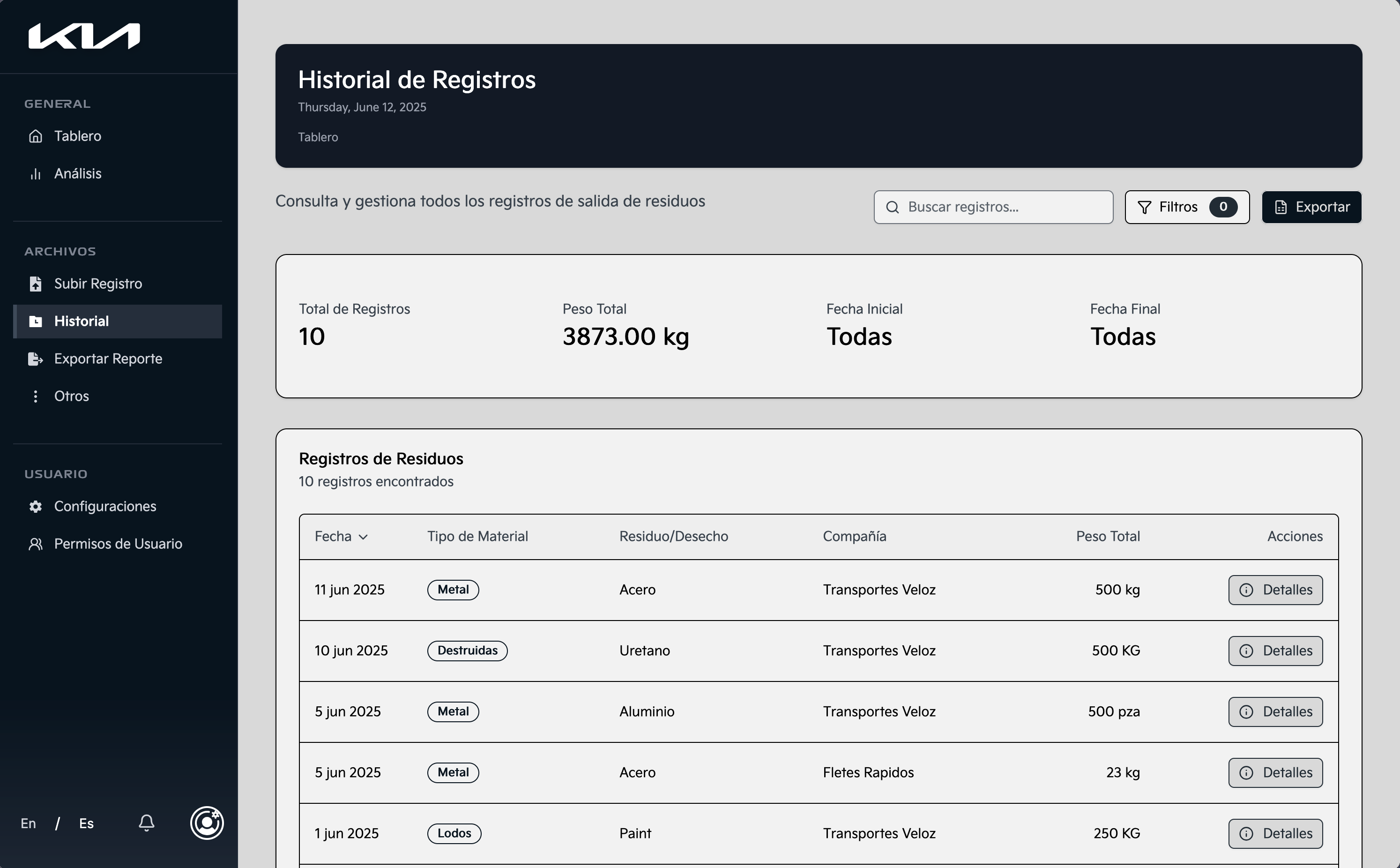
The Kia Waste Management & Analytics Platform is an advanced web application meticulously designed to centralize and optimize waste tracking, log management, and analytical reporting for Kia. This project aimed to provide a robust solution for enhancing their environmental sustainability initiatives and improving operational efficiency through data-driven insights into waste generation and disposal. It offers a seamless experience for logging waste data, securely storing it, facilitating export, and deriving critical business intelligence.

KEY FEATURES

  • Real-Time Waste Tracking: Implemented a comprehensive system for real-time monitoring and categorization of various waste streams (e.g., hazardous, recyclable, general waste). This allows for accurate data capture at the source, ensuring up-to-date insights into waste generation.
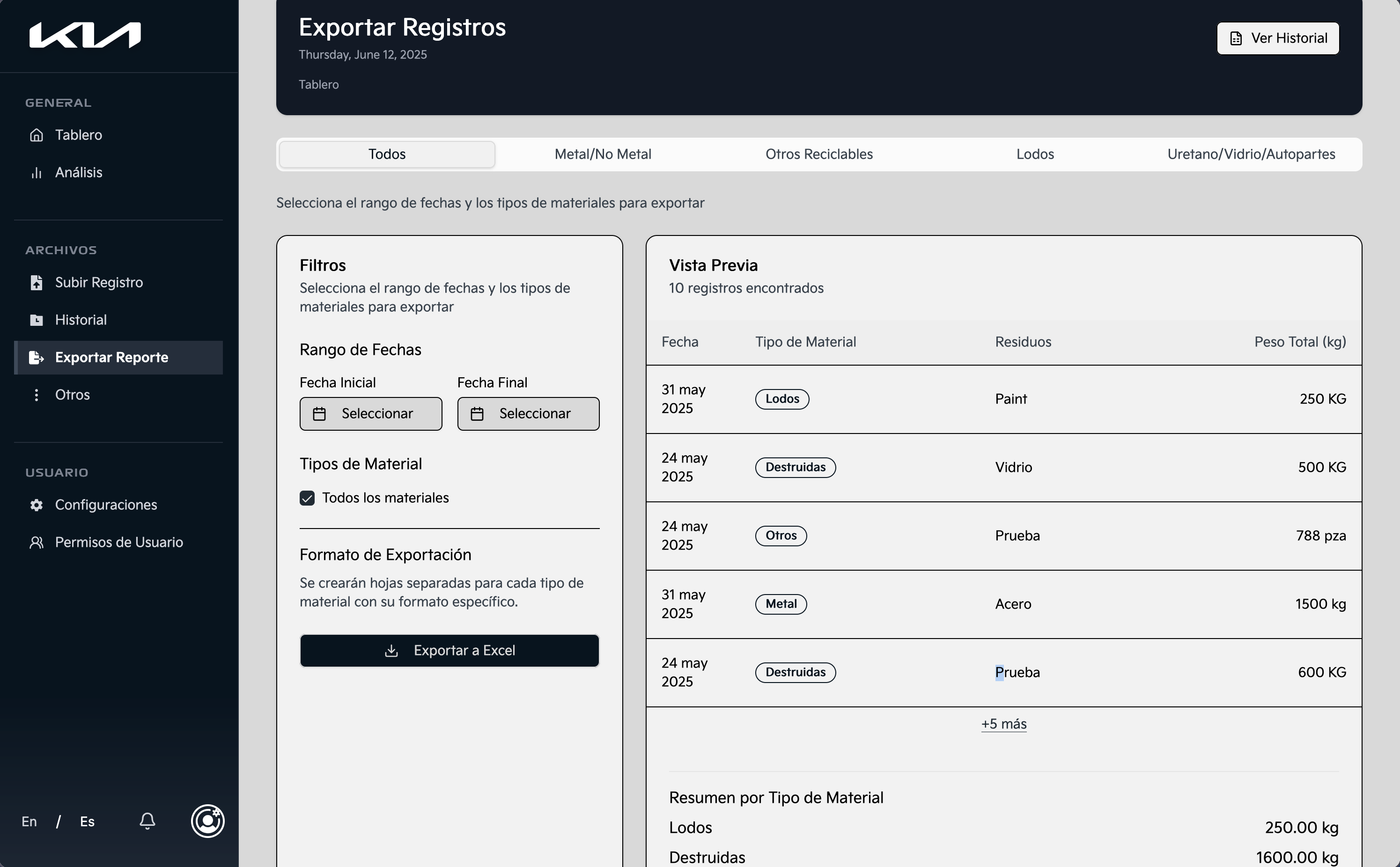
  • Secure Log Upload & Export: Developed functionalities for secure and efficient uploading of waste logs, supporting various formats. The platform also provides robust export capabilities, enabling users to retrieve historical data for auditing, reporting, or further analysis.
  • Advanced Data Analysis & Reporting: Integrated powerful analytical tools to process collected waste data. The system identifies trends, hotspots, and inefficiencies in waste management practices, generating actionable reports and visualizations to inform strategic decisions for waste reduction and recycling efforts.
  • User-Friendly Interface: Designed an intuitive and responsive user interface, ensuring ease of use for facility managers and environmental teams, facilitating seamless data entry and report generation across different devices.

TECHNOLOGIES USED

  • Frontend Framework: Next.js for building a high-performance, SEO-friendly, and scalable user interface with server-side rendering capabilities.
  • Backend & Database: Supabase (PostgreSQL) provided a robust and scalable backend infrastructure, including real-time database capabilities, authentication, and API endpoints, simplifying data management.
  • Styling Framework: Tailwind CSS was utilized for rapid UI development, ensuring a responsive, modern, and highly customizable design that adapts flawlessly across various screen sizes.
  • Runtime Environment: Bun.js was leveraged during development for its exceptional speed and efficiency, significantly improving the development workflow and build times.
  • Deployment Platform: Vercel was chosen for seamless and efficient deployment, offering continuous integration and global distribution for optimal performance and availability.

CHALLENGES AND LEARNINGS

  • Data Standardization: A significant challenge involved standardizing diverse waste data formats across different operational areas within Kia to ensure consistent and accurate reporting. This required careful planning of data schema and validation rules.
  • Performance Optimization: Ensuring the platform remained fast and responsive, especially when handling large volumes of log data and complex analytical queries, demanded meticulous optimization of database interactions and frontend rendering.
  • Security & Compliance: Implementing robust security measures for data handling, user authentication, and access control was critical to comply with industry standards and internal Kia policies regarding sensitive environmental data.
  • Scalability: Designing the architecture to scale with Kia's evolving waste management needs, potentially across multiple facilities and higher data volumes, was a key consideration, leading to the choice of scalable technologies like Supabase and Next.js.

OUTCOME

The successful deployment of the Kia Waste Management & Analytics Platform marked a significant stride in enhancing Kia's commitment to environmental stewardship. The platform now serves as a central hub for all waste-related operations, driving data-driven decision-making, improving reporting accuracy, and contributing directly to the company's sustainability goals. The project's impact was recognized through its practical application and innovative approach to a critical environmental challenge.

Notably, this project's innovative design and tangible results led to being Awarded the KMX Young Innovator Award by Kia, highlighting its significant contribution and the forward-thinking approach applied to waste management solutions within the organization. This recognition underscored the project's success in leveraging modern technology to deliver real-world impact and efficiency.